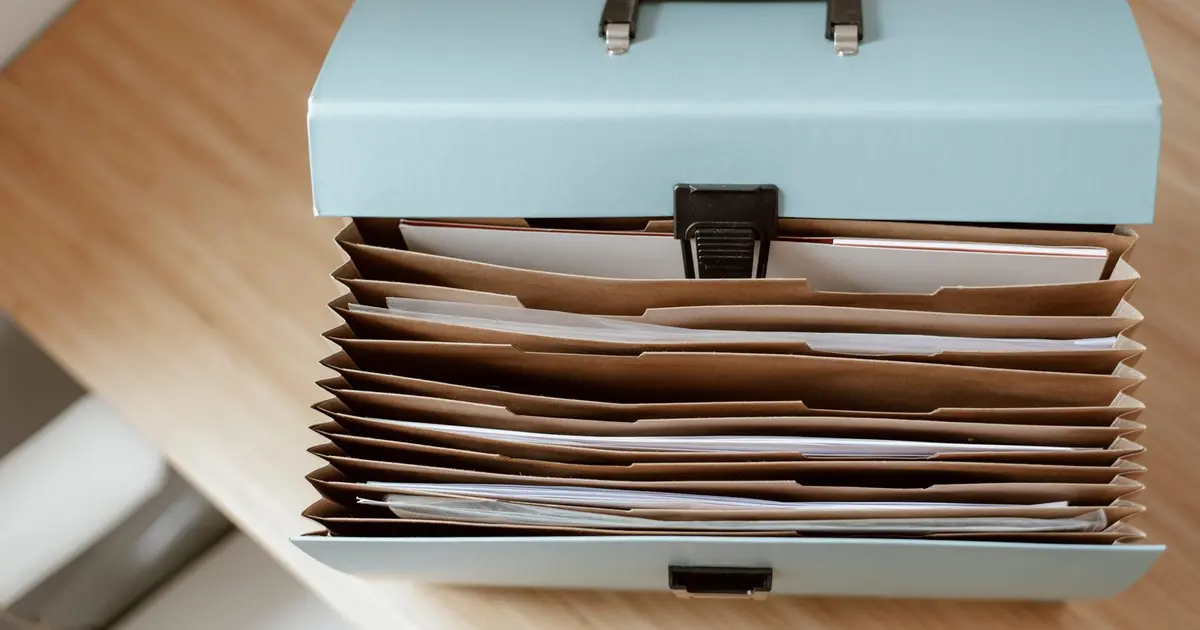
You typed "كارت صحتي", "تطبيق صحتي", "موقع صحتي" or "صحتك" and got a mix of results. What you want, underneath, is simple: your medical history and emergency information available when you or your family need them, without searching through old papers. This guide first sorts out the names so you reach the right place, then explains what a personal medical file or "health passport" with an emergency QR should contain, what the privacy risks are, and how to keep it. It is general information, not medical advice.
First, what the names refer to
Several different things share similar names. Here is what could be verified, said neutrally.
Sehhaty (صحتي) in Saudi Arabia. On the Saudi Ministry of Health's own site, Sehhaty is described as the ministry's unified platform, serving citizens and residents of the Kingdom, in Arabic and English, with an app available from the app stores. The services listed include instant consultations, booking and viewing appointments, virtual appointments, medicine search and a saved medicine list, a digital health wallet, viewing sick leave and medical reports, children's vaccination records and vaccine booking (Saudi Ministry of Health). If you live in Saudi Arabia, this is almost certainly what "تطبيق صحتي" or "موقع صحتي" means, and the place to get it is the ministry's page or your device's official store.
Egypt. In Egypt, public health insurance for citizens is moving to the Universal Health Insurance system, which is managed and financed by the Egypt Unified Health Insurance Authority, with registration through the national ID card at a primary care unit (Enterprise). A digital platform shown at the Authority's forum in February 2025 lets insured users schedule, change or cancel appointments, view records, check lab results and review prescriptions (Amwal Al Ghad). The Ministry of Health and Population also runs a unified hotline, 105, for its services (Maspero). We did not find, and so do not state, an official Egyptian card or service named exactly "كارت صحتي" or "صحتك". If you are looking for your insurance card or records, start from the official site of the body you deal with, or ask your hospital or insurer which app or portal they use.
Private products. Private apps and platforms may use "صحتي" or similar words in their name. For a private product the publisher, not the name, tells you what it is: check who runs it, what it does with your data, and whether it claims a link to a government system. For example, Softwiro's MyClinic (in Arabic, صحتي) is a private platform whose patient side includes a medical file and a health passport with an emergency QR code; its listed features do not include integration with health-ministry platforms or insurance companies. Check the details of any product before relying on it.
A quick test for any "صحتي" page you land on: who publishes it, is the address the official domain of that body (a ministry's own site, the store listing of a known publisher), and does it ask for more than it needs?
What a personal medical file should hold
Whether it lives in an app, a notebook or a folder on your phone, the content is the same. MedlinePlus suggests keeping your own record because your information is spread across doctors' offices and hospitals, and lists what to include (MedlinePlus).
- Identity: full name, date of birth, blood type, emergency contacts.
- Allergies: medicines, foods, latex, anything that caused a reaction, and what the reaction was.
- Long-term conditions: diabetes, high blood pressure, asthma, epilepsy, heart disease, kidney disease, and others, with the year diagnosed.
- Current medicines: name on the box, active ingredient, strength, why you take it, who prescribed it, and since when. Include vitamins and herbal products. WHO's patient-safety guidance asks patients to keep an up-to-date list of medicines and show it at every encounter (WHO).
- Serious illnesses, operations and hospital stays, with dates.
- Tests and reports: dates and results, with scans or copies.
- Vaccinations.
- Family history: conditions that run in the family.
- Providers: names and contacts of your usual doctors and the clinic or hospital that holds your records.
- Preferences: for example, a note that you have a pacemaker, a rare condition, or who may be told about your condition.
Do not put the file in order once and forget it. A file with wrong medicines is worse than none. Update it after each visit; the appointment record habit and the prescription check feed it directly.
What an emergency QR or "health passport" should show
An emergency summary is a short page that someone can open in seconds when you cannot speak: after an accident, a fainting episode, a seizure. The principle is "just enough".
Put on the emergency view:
- name and age;
- blood type;
- allergies, especially to medicines;
- serious chronic conditions and implants;
- current critical medicines (for example, those taken for diabetes, heart disease or epilepsy; no need to list every vitamin);
- emergency contacts, with the relationship;
- the name of your regular doctor or hospital.
Keep behind your login, not on the emergency view: your full history, test results, mental-health notes, financial details, national ID number and your address.
How a responder can reach it: a QR sticker on your phone case or wallet card, a lock-screen note or emergency contact feature that your phone offers, and a printed card with the same facts. A QR is only a link; test it by scanning it with another phone, and print the key facts in text beside it in case there is no signal or no data.
Privacy risks, and how to reduce them
Health information is sensitive. In Egypt's Personal Data Protection Law No. 151 of 2020, data revealing a person's mental, psychological or physical health is "sensitive personal data"; collecting or processing personal data requires the explicit consent of the data subject unless the law provides otherwise, and a data subject can withdraw consent and ask for correction or deletion (Law No. 151 of 2020, Articles 1 and 2). The law also says a controller needs a licence from the Centre to collect, store or process sensitive data and, except where law permits, written explicit consent (Article 12). In practice:
- Who runs the service, and where does your data go? Read what it says it collects and shares. Prefer services that let you see, correct and delete your data.
- Public QR means public data. Anyone who finds a QR on a lost phone or card can open it. That is why the emergency view must be minimal.
- Screens and chats. Do not post medical reports, prescriptions or QR codes in public groups or comments. A photo of a report can include your national ID number.
- Accounts. Use a strong, unique password and, where offered, a second step for sign-in. Do not share the one-time code that a service sends you.
- Scams. Messages claiming to be "updating your health card" and asking for a code, card number or PIN are scams; official bodies do not need your PIN or your bank's one-time code.
- Family. Decide who may see the file (a spouse, an adult child) and tell them where the emergency summary is.
How to keep it, step by step
- Pick one home for the master file: a secure app you trust, or a folder on your phone with a PIN, plus a printed one-page summary at home.
- Fill the ten headings above in an evening, using your medicine boxes and old reports.
- Build the emergency view with the "just enough" list and put it on a card and, if you use one, a QR.
- Tell two people where it is.
- Update after each visit and review every six months: new medicines, finished courses, new allergies, new contacts.
- Back it up (a second copy you control) and delete old shared copies.
- Test it: ask someone to find your blood type and allergies in under a minute.
A short checklist
- I know which "صحتي" or card I am dealing with and who publishes it.
- My file has identity, allergies, conditions, medicines, history, tests, vaccines.
- The emergency view shows only what a responder needs.
- A card or QR is on my phone or in my wallet, and I tested it.
- Two people know where it is.
- My account is protected and I know who can see my data.
- I update it after each visit.
The next step
Tonight, write your blood type, allergies, chronic conditions and current medicines on one page and photograph it into a locked folder on your phone. That page is the core of any health passport. If you run a clinic and want patients to have a medical file with an emergency QR instead of paper, Softwiro's MyClinic includes a patient medical file (blood type, height and weight, allergies, chronic conditions) and a unified health passport with a QR code for emergencies. To discuss it, contact us.
Sources
- Sehhaty platform — Saudi Ministry of Health. Sehhaty as the ministry's unified platform and app and the services it lists.
- Keeping track of your health information — MedlinePlus (US National Library of Medicine). What a personal health record should include.
- Law No. 151 of 2020 (Personal Data Protection), English text — Egypt. Sensitive data, explicit consent, rights to access, withdraw and correct, and the licence requirement for sensitive data (Article 12).
- Standard Operating Protocol for Medication Reconciliation — World Health Organization (High 5s). Patients should keep an up-to-date medicine list and show it at each encounter.
- Egypt unveils digital platform to enhance UHIS services — Amwal Al Ghad, 10 February 2025. A platform for insured users to schedule appointments and view records, lab results and prescriptions.
- نظرة على مشروع التأمين الصحي الشامل — Enterprise. Universal health insurance in Egypt: managed by the Authority, registration with the national ID.